E-waste can also worsen lung function and breathing, damage DNA, affect thyroid function and increase the risk of certain chronic diseases in later stages of life, such as cancer and heart disease.
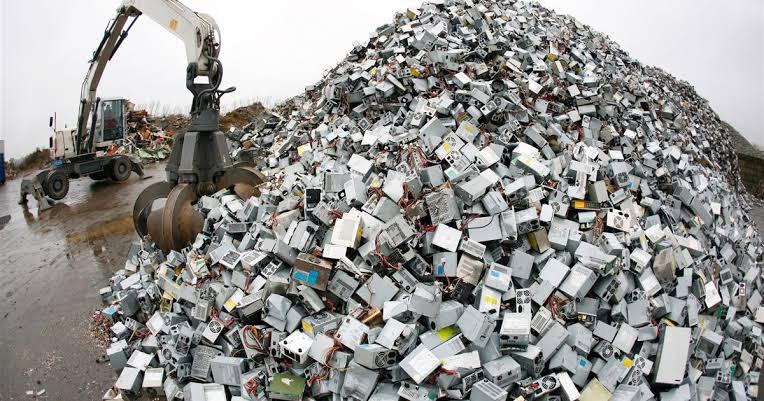
Appliances that are considered electronic waste
Appliances that are considered electronic waste are those that no longer work and that contain electronic components. Some examples are:
Refrigerators, Washing machines, Ovens, Hair dryers, Toasters, Irons, Microwaves.
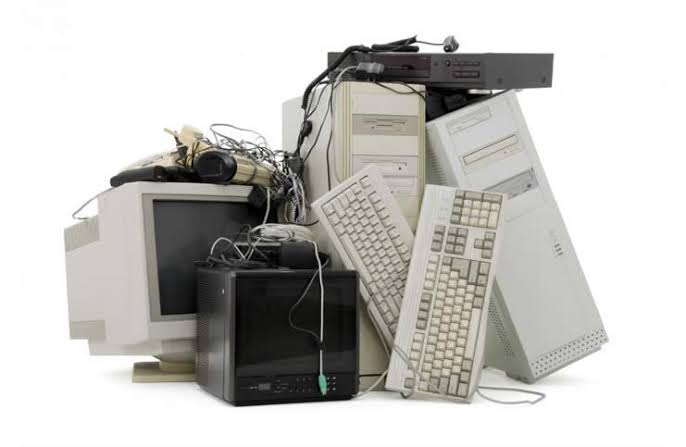
DAMAGE FROM ELECTRONIC WASTE:
- Environmental pollution.
Electronic waste contains toxic materials such as lead, mercury and cadmium that contaminate soil and water. - The burning of electronic waste releases toxic substances into the air, such as dioxins and furans
- Electronic waste contributes to deforestation and soil degradation.
- Electronic waste affects biodiversity, since animals can ingest toxic substances or lose their habitats.
- DAMAGE TO HEALTH
- Exposure to electronic waste compounds can interfere with the thyroid and the estrogen hormone system.
- Exposure to electronic waste compounds can cause learning and memory problems.
- Exposure to electronic waste compounds can increase the risk of certain chronic diseases in later stages of life, such as cancer and heart disease.
- Exposure to electronic waste compounds can cause damage to the brain, heart, liver, kidneys and skeletal system.
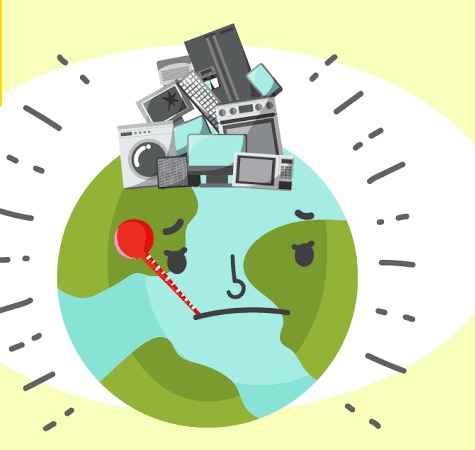
To reduce electronic waste, you can:
Avoid throwing electronic devices in organic or plastic waste
Take electronic devices to a clean point
Deposit electronic devices in the shops that sell devices when purchasing a new device
How does electronic waste affect human health?
E-waste can also worsen lung function and breathing, damage DNA, affect thyroid function and increase the risk of certain chronic diseases in later stages of life, such as cancer and heart disease
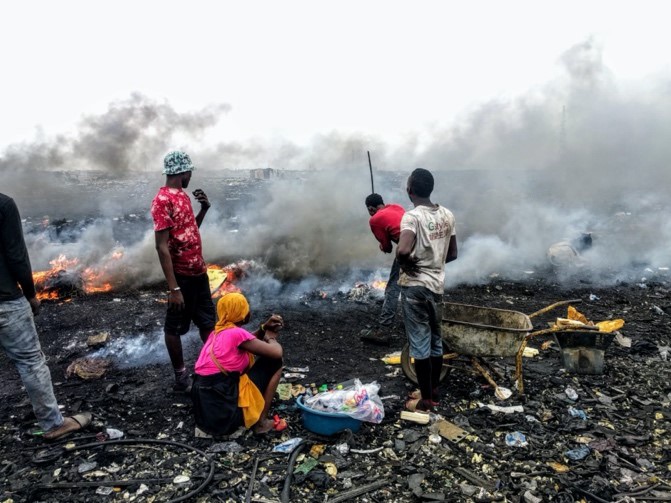
In the first semester, a project was carried out to collect electronic waste. This project was carried out in the school’s covered court. Students from some semesters brought three types of electronic waste: old cell phones, cables, extension cords, batteries, etc. While the students from the other semesters were the ones who received the electronic waste, this project was very helpful in raising awareness of how much electronic waste affects the environment.
This blog was created by:
• Shelsea Regina Guerra Rodríguez.
• Aylin Guadalupe Dionicio Martínez.
• Diana Laura Cervantes Baltazar.
• Mía Jabnel García Arano.
• Alexis Grajales Aguilar.
• Luis Fernando Cortes Méndez.
Degree : 2. Group :”BLOV”
 Título del sitio